
Many nature projects need funding before they can show a certified result. They may need to secure land, survey it, pay a local team or begin restoration. EarthCell helps pay for that early work and gives supporters a record of what happens next.
Some projects focus on restoring land already in local care. Others first need to return land to an Indigenous people or local community. Each project sets out its own budget and terms.
No EarthCell project is open for contributions yet. Bioestrela is agreeing its budgets and funding terms in Portugal; the Kogi sites in Colombia are in planning.
What we agree before funding opens
With the project team, we establish three things:
- The immediate need. This might be land, legal work, an ecological survey, local labour or care for young trees.
- Who receives the money and does the work. We name the managing organisation and the people working on the ground.
- What can be recorded. We agree what evidence is practical to gather and how supporters will hear about changes to the work or the evidence plan.
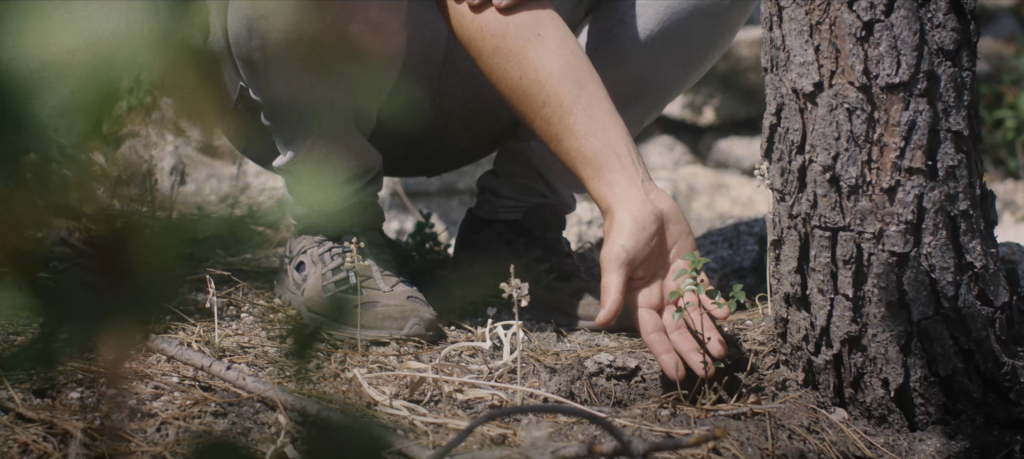
Different projects, different costs
At Bioestrela, funding may cover surveys, local labour, planting, natural regrowth, upkeep, soil and water work, and wildlife monitoring. At a Kogi site, securing ancestral land and returning it to Kogi care may be the urgent first step. Restoration can follow.
Each project page will state its current need. We do not assume the same approach or budget works everywhere.
A cell does not fence in your contribution
An EarthCell is a quarter-hectare place you can follow. The money goes where the agreed project budget requires it. A nursery may serve 100 hectares; a field worker or water system may serve the entire site.
What the project page will show
Before contributions open, we will publish the target amount, the planned work, who receives or manages the money, the EarthCell or C Level fee, the amount going to project work, and any substantial local or administrative costs. If a figure is still being agreed, it will be marked as such.

What early money can achieve
It may secure land before another buyer does, keep a local team working or pay for evidence a larger funder or a recognised standard will later need. It helps a project reach its next stage; it does not buy a completed result.
When plans change
Fire, drought, permits, a failed planting or a land agreement can change the order of work. If that affects the use of EarthCell funds, the project will explain what changed, why, and how the budget is being used. Setbacks belong in the record too.
Alongside certification
EarthCell can fund work that precedes a standard such as Plan Vivo. A standard may later define, measure and independently check a particular result. These are separate steps.
An EarthCell contribution gives no land rights, credit, offset, promise of certification or right to a future certificate. It does not count towards net zero. If your organisation needs a verified result now, see C Level’s Plan Vivo carbon credits or voluntary biodiversity credits for business.