
Every EarthCell project depends on people who know and care for its land. We call them Nature Guardians. They may be an Indigenous community, landholders, farmers or a local project team. Supporters can learn about them and their work on terms they help set; funding a cell gives no authority over the land.
Care is more than a name on a title
A land title identifies an owner. It cannot tell you who knows the soil and water, who maintains the land year after year or, in the case of Indigenous territory, the depth of a community’s relationship with it.
Nature Guardian is our name for the people carrying that responsibility. It is not a title we give to a funder or a brand.
Local authority shapes the plan
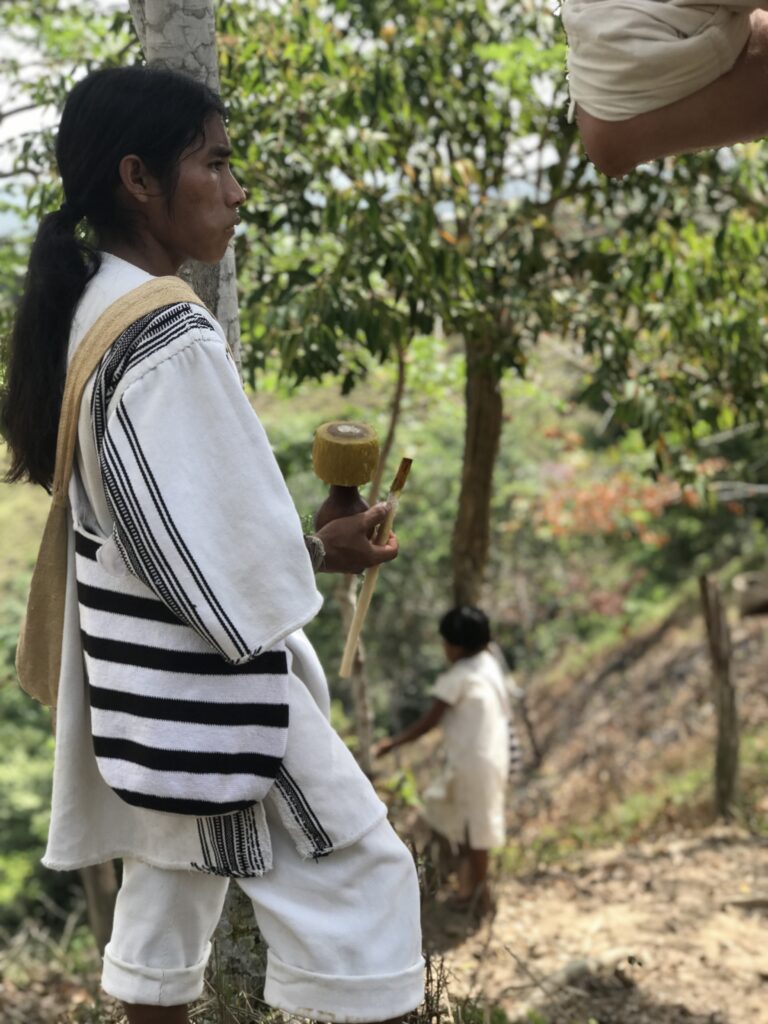
Nature Guardians shape restoration with the specialists each project needs. At Kogi sites in the Sierra Nevada de Santa Marta, Kogi priorities, knowledge and authority guide the work. At Bioestrela in Portugal, the team works with owners and communities who know the mountain’s terraces, water and fire history.
A supporter joins their work. The supporter does not choose what happens in each EarthCell.
What people can tell us
Maps show patterns; the people on the land can explain how a plan changed and what it took to keep working through a difficult year. With their agreement, a project page can introduce their connection to the place, what they want to protect or restore, the problems they face and what needs funding next.
Agreeing what to share
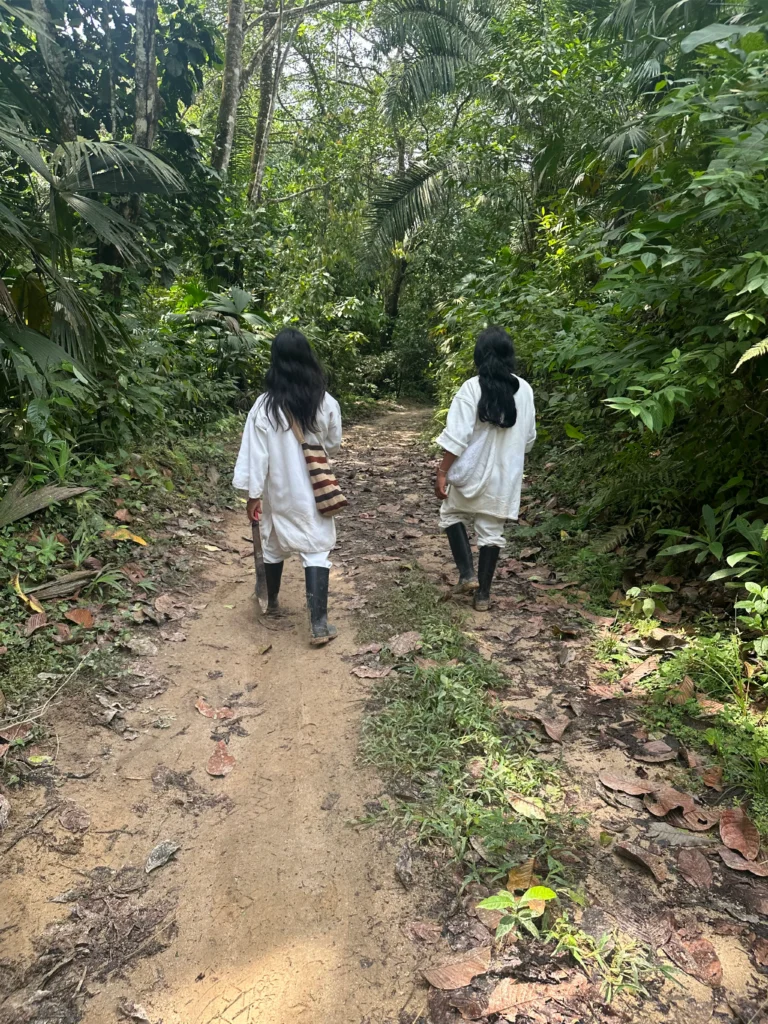
We plan reporting with the project team before work starts. That includes what can be collected, how often and who may see it. Sacred sites, vulnerable species, land records and personal details may need to stay private. The record should also have room for a failed planting, a dry year or a changed plan.
Support over time
An initial contribution may lead to longer funding for fieldwork, jobs or a wider area. Before any regular contribution opens, the project page will state who receives the money, what it pays for, the fees and costs, and how changes will be reported.
Meet the first project partners
Kogi sites, Colombia
The Kogi are working to return ancestral land to their care. We are exploring how EarthCell can support that work.
Valezim, Portugal
Bioestrela works with landowners and communities on 31.8 hectares of terraces, woodland and grazing land in the Serra da Estrela.
Furtado, Portugal
The 14-hectare hub includes steep land, existing habitat and areas damaged by the 2025 fire.
Read more
What is an EarthCell?
Why a cell marks a place on the map and gives no ownership or control.
How we track progress
How field reports and images from space build a dated record of each place.
EarthCell for business
How companies can fund the work without claiming to own or lead it.